Why Low Latency Matters in Competitive Gaming

What is Latency and How Does It Impact Gaming?
Latency, in the context of gaming, refers to the delay between a player’s action and the corresponding response in the game. This delay can manifest as input lag, where the time it takes for commands from peripherals, such as a keyboard or mouse, to reach the game server and become visible on-screen is significantly prolonged. For players of first-person shooters (FPS) like Valorant and Counter-Strike 2 (CS2), even a few milliseconds of latency can drastically affect gameplay.
When gamers experience latency, they may perceive their movements or actions as sluggish or unresponsive. For instance, a player might feel that their aim is delayed or that their character is reacting slower than expected, which can lead to frustrating experiences, especially in competitive scenarios where split-second decisions are crucial. The concept of latency affecting gaming performance is particularly relevant in FPS games, where precision and reaction times are integral to success.
Various factors contribute to latency, such as the speed of the internet connection, the quality of network infrastructure, and the performance of the gaming device itself. Additionally, the distance from game servers can exacerbate latency issues, as signals take longer to travel over greater distances. Players often encounter symptoms of high latency through noticeable delays in aiming or shooting, which can hinder their ability to respond promptly in fast-paced situations.
Moreover, optimizing one’s gaming setup—such as using wired connections, reducing background bandwidth usage, and experiencing low ping rates—can help mitigate these latency issues. Ultimately, to elevate gaming performance and enjoy immersive experiences, understanding and addressing latency is essential for serious gamers looking to enhance their skills in FPS titles.
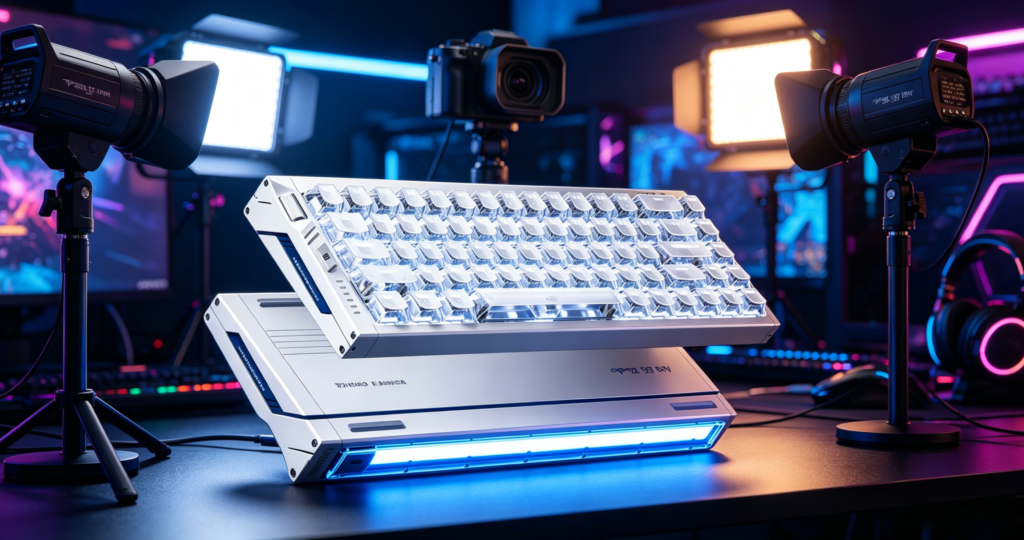
Discover the MCHOSE Ace 68 GT & Turbo hall effect gaming keyboard. Features 16K polling, 0.001mm precision, SOCD, and an all-aluminum body for esports.
Different Types of Gaming Keyboards and Their Latency Levels
The choice of a gaming keyboard plays a crucial role in overall gaming performance, particularly regarding latency, which can significantly affect gaming experiences. Keyboards can be categorized into several types, including mechanical, hall effect, optical, wired, and wireless models, each exhibiting different latency characteristics.
Mechanical keyboards utilize individual mechanical switches for each key. These switches can vary widely in their actuation time and have a typical polling rate of 1000 Hz, translating to a latency of about 1 millisecond. This low latency is advantageous for gamers who prioritize speed and responsiveness, especially in fast-paced FPS games.
Hall effect keyboards, while less common, offer an innovative approach by using magnetic sensors for key actuation. This technology allows for faster response times and greater durability with virtually no bouncing, leading to reduced latency. Such keyboards can offer a polling rate comparable to mechanical keyboards, making them an optimal choice for gamers looking to minimize input lag.
Optical keyboards employ light-based actuation, which can lead to extremely low latency levels. These keyboards generally enable faster key presses than traditional mechanical designs, providing gamers with more immediate responsiveness during intense gaming sessions. Like other types, their polling rates frequently reach up to 1000 Hz, ensuring minimal delay.
In terms of connectivity, wired keyboards are inherently designed to minimize latency because they provide a direct connection to the computer, unlike their wireless counterparts. Wireless keyboards have improved over the years, with advanced technology that significantly reduces latency; however, they may still experience slightly higher latency compared to their wired versions. Despite this, modern wireless gaming keyboards are often equipped with high polling rates and optimizations that can effectively balance convenience and performance.
In general, gamers seeking to minimize latency should consider mechanical, optical, or hall effect keyboards, particularly those that are wired. Understanding these different types, along with their respective latency levels, can aid gamers in making informed decisions that enhance their overall gaming performance.
Why Do Players Experience Input Lag?
Input lag is a critical factor affecting gaming performance, especially in competitive environments where every millisecond can make a difference. One of the primary causes of input lag is the type of keyboard configuration players utilize. Keyboards can have different polling rates, with high-performance gaming keyboards typically offering faster response times. However, if a player is using a standard keyboard with a low polling rate, they may experience noticeable delays between their input and its corresponding reaction on screen.
Another crucial factor is the system setup itself. A computer’s hardware, including its processor and graphics card, plays a substantial role in determining how quickly inputs are processed and reflected in gameplay. Players using older or underpowered systems may find themselves facing increased latency, resulting in a less responsive gaming experience. Additionally, the software environment, including running background applications or inefficient drivers, can further aggravate input latency.
The choice between wired and wireless keyboards also significantly impacts input lag. Wired connections typically offer lower latency compared to wireless counterparts, which may introduce additional delay due to signal transmission and potential interference. Players who prioritize performance in fast-paced FPS games often prefer wired solutions to ensure their inputs are registered with the least possible delay.
On a psychological level, player responses to input lag can be profound. When individuals are aware of latency affecting their performance, it can lead to frustration and anxiety. This psychological pressure may hinder decision-making and reflexes, making the latency feel even more pronounced. Understanding the factors that contribute to input lag is essential for players seeking to enhance their overall gaming performance and achieve a more seamless experience.
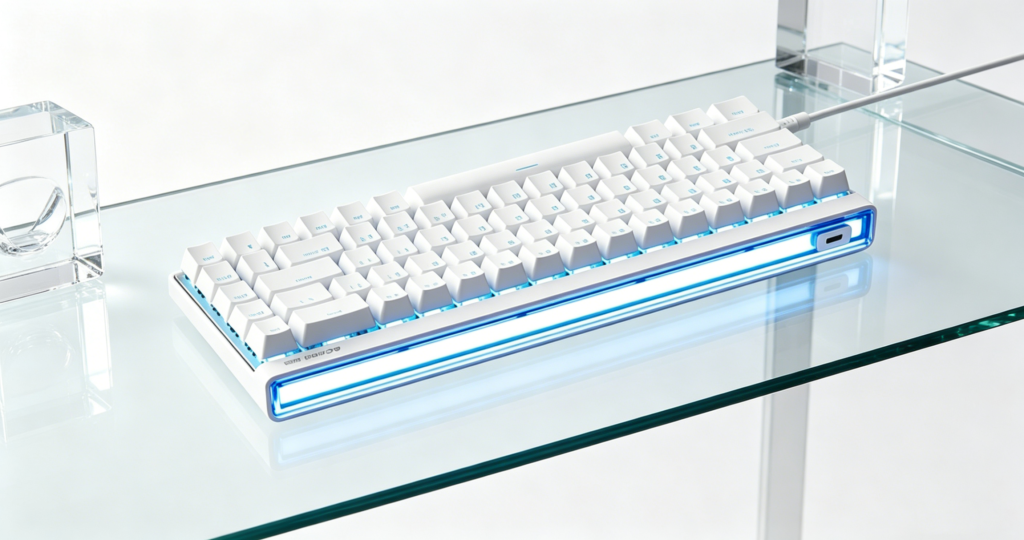
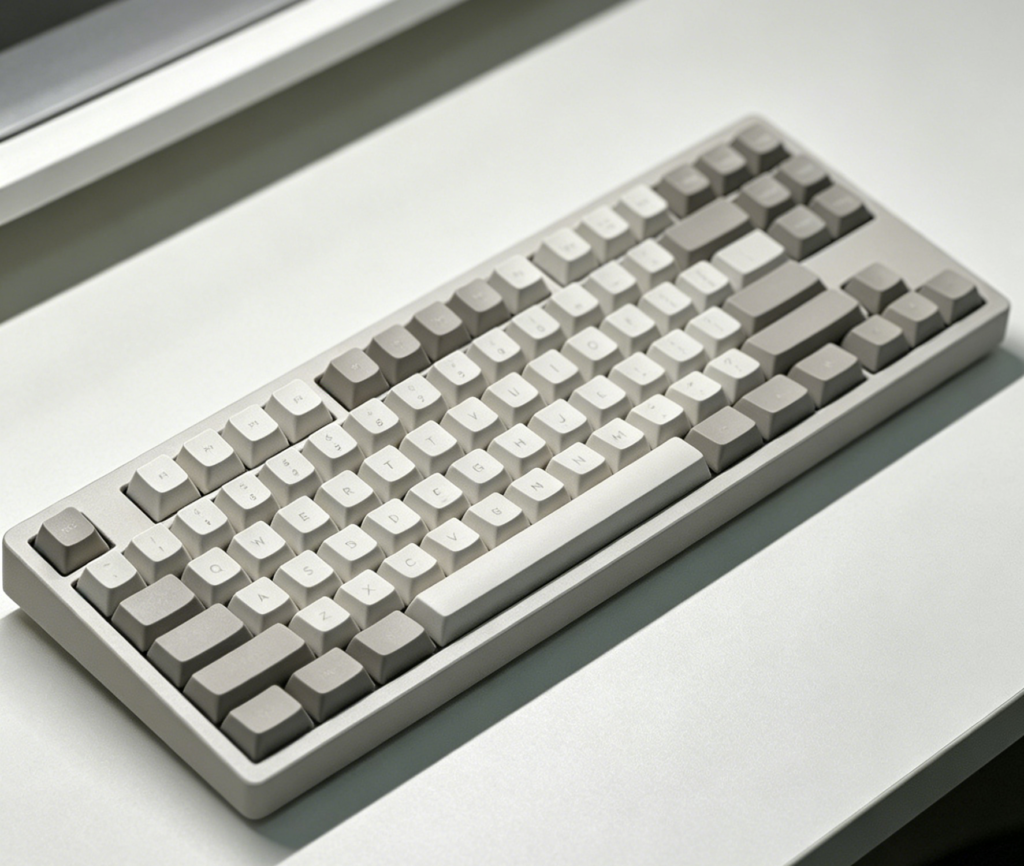
Discover the MCHOSE Ace 68 Air 2 Hall Eeffect gaming keyboard. Dominate esports with 8K polling, 0.08ms latency, SOCD, Rapid Trigger, and pure HiFi sound.
Embracing Low-Latency Gaming Solutions
For gamers striving to enhance their gaming performance, addressing latency is crucial. Several solutions exist that can significantly mitigate latency issues, ensuring a more responsive gaming experience. One of the most effective candidates in this regard is the adoption of hall effect keyboards. These keyboards operate differently than traditional mechanical keyboards, utilizing magnets to detect key presses rather than contact-based mechanisms. This innovation leads to rapid trigger responses, critical for fast-paced games where every millisecond counts.
Additionally, hall effect keyboards offer remarkably high polling rates. A higher polling rate means the keyboard communicates updates to the computer more frequently, which translates to less lag between the player’s actions and the game’s responses. This can dramatically enhance performance, particularly in competitive scenarios. Players often notice smoother movements and quicker reaction times, factors essential in FPS games where precision can determine the outcome of a match.
Alongside hardware upgrades, optimizing network connections is another vital component in the quest for low-latency gaming. Utilizing wired connections instead of wireless can reduce latency significantly, as wired networks generally provide more stable and faster data transfer rates. Combining this with low-latency hardware ensures that gamers can minimize delays caused by both input devices and network connectivity.
As gamers increasingly seek to improve their in-game performance, understanding how latency affects gaming performance becomes essential. By investing in quality peripherals such as hall effect keyboards and ensuring robust network setups, players can create environments that support rapid response times. This holistic approach not only improves individual gaming experiences but also levels the playing field in competitive online gaming.
Recommended Products
MCHOSE G98 V2
![G87 V2 BlackBerry Pink Fast Gold Switch [Tri-Mode + Knob]](https://geekkeyboard.com/wp-content/uploads/2026/05/G87-V2-BlackBerry-Pink-Fast-Gold-Switch-Tri-Mode-Knob-300x300.jpg)
MCHOSE G87 V2
![Ace 68 V2 Ultra Competitive Edition Fog Transparent Pink BMW Hall Effect Switch [RT Key]](https://geekkeyboard.com/wp-content/uploads/2026/05/Ace-68-V2-Ultra-Competitive-Edition-Fog-Transparent-Pink-BMW-Hall-Effect-Switch-RT-Key-300x300.jpg)
MCHOSE Ace 68 V2